FTSE 100 FINISH LINE 1/4/26
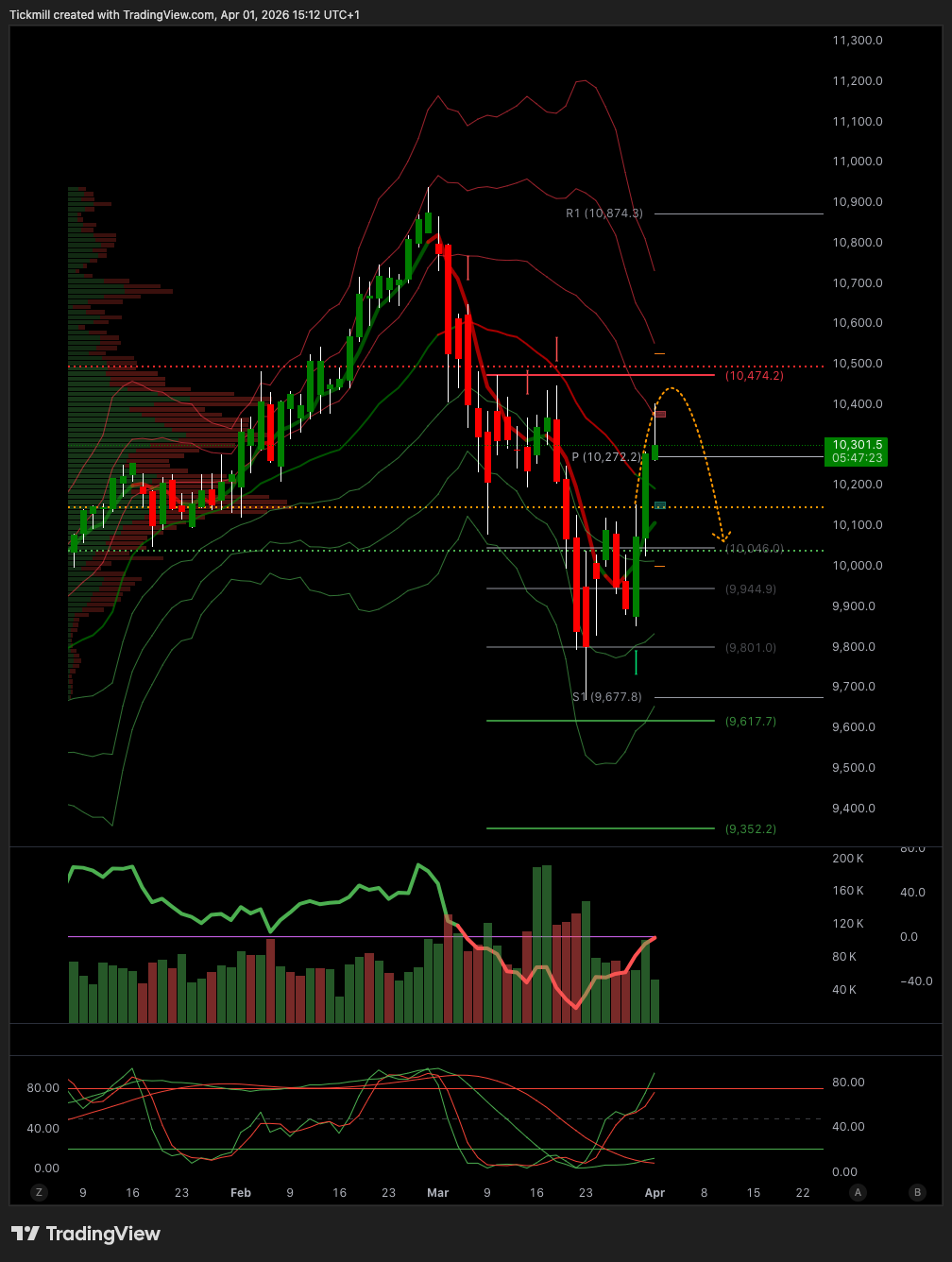
FTSE 100 FINISH LINE 1/4/26
London's major stock indexes experienced a notable surge on Wednesday, fuelled by remarks from U.S. President Donald Trump suggesting that the conflict with Iran might be drawing to a close. This unexpected optimism led investors to dial back their expectations for further interest rate hikes by the Bank of England. The FTSE 100 initially climbed sharply before retreating later in the session as caution set in ahead of President Trump’s White House address scheduled for tonight—one year after his Liberation Day speech that triggered major market turbulence. Meanwhile, the mid-cap FTSE 250 maintained robust gains of 1.8%. This recovery followed Tuesday’s sharp declines, during which both indexes posted their steepest monthly losses since 2020, driven by fears that escalating oil prices, spurred by the war, could exacerbate inflationary pressures. President Trump, accompanied by Secretary of State Marco Rubio, hinted at a potential resolution to the Iran conflict. Washington appeared open to direct negotiations with Tehran and suggested the possibility of de-escalation even in the absence of a formal agreement. Market sentiment shifted notably, with interest rate futures now reflecting expectations for just one 25-basis-point hike in the Bank of England’s rate by the end of 2026 and only a slim chance of a second increase. This marks a sharp reversal from earlier forecasts of two or three hikes.
Across the FTSE 350 sectors, most posted gains, except energy stocks, which dipped 1% as oil prices slid over 3% amid ongoing instability in the Middle East. Heavyweight banks emerged as standout performers, surging 3.4%, with Standard Chartered, Lloyds Banking Group, and Barclays all advancing between 3.4% and 4.1%. Precious metal miners also saw significant gains, climbing 4.7%, as gold prices rose on hopes for easing geopolitical tensions. However, not all developments were positive. The UK’s food and drink manufacturers’ lobby issued a stark warning that food prices could rise by nearly 10% by the end of 2026 due to fallout from the Iran war—three times faster than previously projected. British factories also faced mounting cost pressures in March, with shipping delays through the Strait of Hormuz reaching their worst levels since mid-2022, according to an S&P Global survey. In corporate news, homebuilder Berkeley suffered a sharp decline, plunging 15.1% after forecasting slower profit growth through 2030. The company announced a suspension of land acquisitions, citing the ongoing conflict and the potential for higher interest rates, which have dampened hopes for a housing market rebound. Despite these challenges, Wednesday’s market rally reflected cautious optimism that a resolution to the Iran crisis could bring much-needed stability to global markets.
TECHNICAL & TRADE VIEW - FTSE100
Daily VWAP Bullish
Weekly VWAP Bearish
Below 10500 Target 9700
Disclaimer: The material provided is for information purposes only and should not be considered as investment advice. The views, information, or opinions expressed in the text belong solely to the author, and not to the author’s employer, organization, committee or other group or individual or company.
Past performance is not indicative of future results.
High Risk Warning: CFDs are complex instruments and come with a high risk of losing money rapidly due to leverage. 69% and 73% of retail investor accounts lose money when trading CFDs with Tickmill UK Ltd and Tickmill Europe Ltd respectively. You should consider whether you understand how CFDs work and whether you can afford to take the high risk of losing your money.
Futures and Options: Trading futures and options on margin carries a high degree of risk and may result in losses exceeding your initial investment. These products are not suitable for all investors. Ensure you fully understand the risks and take appropriate care to manage your risk.
Patrick has been involved in the financial markets for well over a decade as a self-educated professional trader and money manager. Flitting between the roles of market commentator, analyst and mentor, Patrick has improved the technical skills and psychological stance of literally hundreds of traders – coaching them to become savvy market operators!